HABS | HAER | HALS | CEQA | NRHP
An Overview of Photographic Documentation Guidelines
© 2025 Stephen D. Schafer • www.habsphoto.com
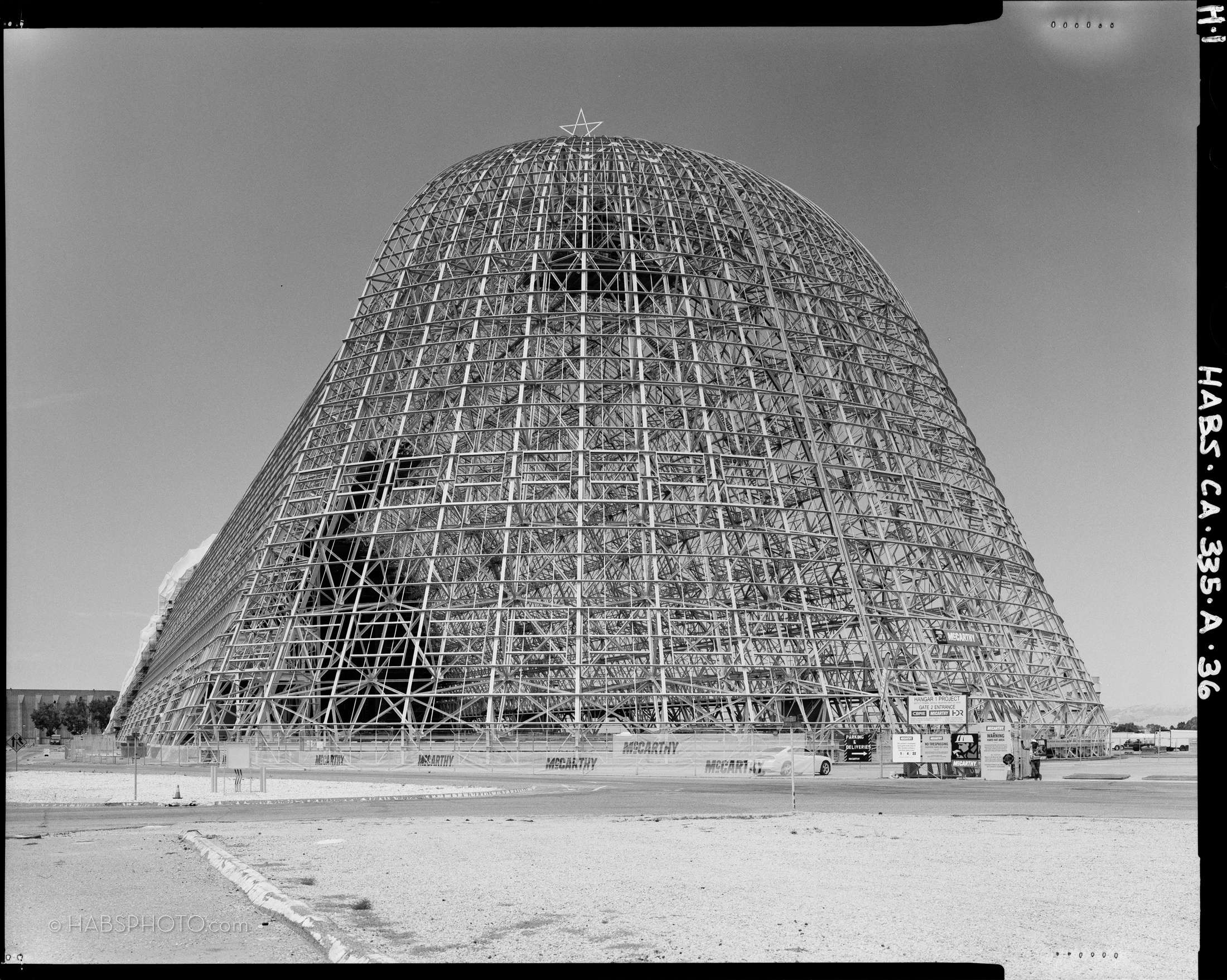
HABS, as the Historic American Buildings Survey is informally called, is arguably the most respected documentation program in the world for historic buildings. As outlined in the original HABS circular #1 from December 1933, the goal was to survey, index and create measured drawings of vanishing colonial-era historic sites to contribute to the "history and aesthetics of American life". The Circular went on to describe the types of buildings in all the American states HABS would focus upon: "… almost a complete resume of the builders' art. It will include public buildings, churches, residences, bridges, forts, barns, mills, shops, rural outbuildings, and any other kind of structure of which there are good specimens extant."
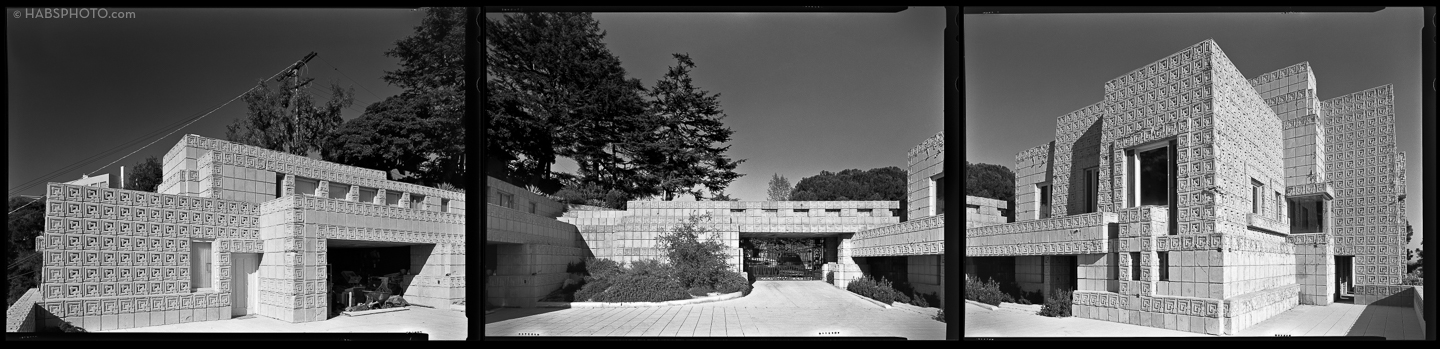
The Historic American Buildings Survey proved so valuable that it has endured to this day and spawned two other documentation programs. In 1969, the Historic American Engineering Record – HAER – was established to record America's pioneering, but rapidly vanishing, industrial, technological and engineering history. The Historic American Landscapes Survey – HALS – was founded in 2000 to document the historic battlefields, parks, monuments, cemeteries and cultural landscapes that did not fit into the architecture or engineering collections of HABS and HAER.
"A complete resume of the builders' art"
HABS documentation today follows the Secretary of the Interior's Guidelines for Architecture and Engineering Documentation (codified in the Federal Register in July 21, 2003). Therein the goal is made explicit: "The goal of HABS/HAER/HALS documentation is to provide architects, engineers, scholars, preservationists, and interested members of the public with comprehensive information on the historical, architectural, technological, or cultural significance of a building, site, structure, object or landscape." Section 106 of the National Historic Preservation Act (NHPA) also requires federal agencies to mitigate adverse effects on historic properties and their surroundings and HABS, HAER, and HALS documentation is often one of those mitigating tools. In the end, everything transmitted to HABS is free of copyright and placed in the Public Domain for all to use.
Many state and local documentation guidelines parallel HABS, HAER and HALS because often they are appropriated or modified versions of the HABS guidelines. Like Section 106, many municipalities have CEQA mitigation policies that include large format photography based on HABS guidelines, some cities divert the finished photographs to local libraries, some substitute digital photography for the negatives, and some outstanding policies like Ventura County's follow the HABS guidelines and standards and require a copy of the documentation to be donated to the HABS/HAER/HALS collection at the Library of Congress when complete.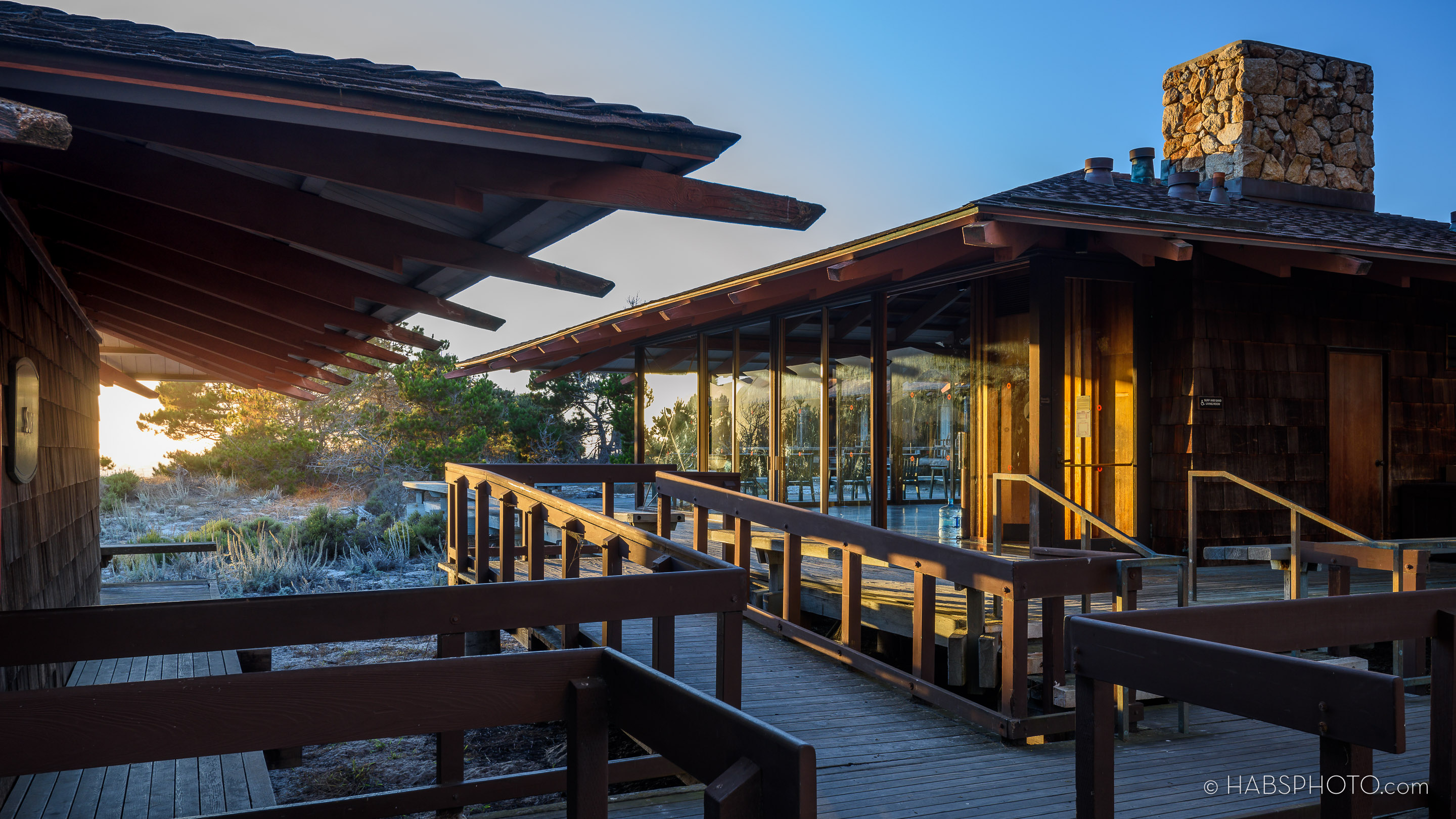
The National Register of Historic Places Photography Policy is another National Park Service documentation guideline. The NRHP photo standards were written to be accessible, so the specifications were made simple and appear to be the lowest requirements in the world. NRHP photography standards were very demanding before 1995, but they were also daunting for members of the public wanting to nominate and protect buildings. The National Register Photo Policy (drafted 2009 updated 2018) is intended as a guide for the photographic portion of a nomination to the National Register of Historic Places (NRHP). A 2018 update added mobile phones to the list of acceptable cameras but still lists six megapixel (MP) digital capture as the 'best practice' and allows for capture with a minimum of two MP. Fortunately it is nearly impossible to find a two MP camera in the rapidly moving world of digital cameras. While six MP cameras were outdated when the standard was drafted in 2009, the good news is there is no maximum resolution listed for quality NRHP nomination photos. Our experience in California with the historians who administer the NRHP nomination process, is that they are happy to receive higher quality 24-46 MP digital images. 35mm film photos and prints are still acceptable but may actually slow the process down because the entire process is now organized around digital materials. Photographers are not required to release their copyright, so while NRHP photos can often be publicly viewed as part of the NRHP listing data, they cannot be used by the public. While making the registration of National Register sites easier, the low standards have had the unintended consequence of perpetuating low quality nomination photographs. The future may include digital submission of NRHP nominations through an online submission portal and this may require yet another photo resolution and compression guideline.
“… if the great number of our antique buildings must disappear through economic causes, they should not pass into unrecorded oblivion.” 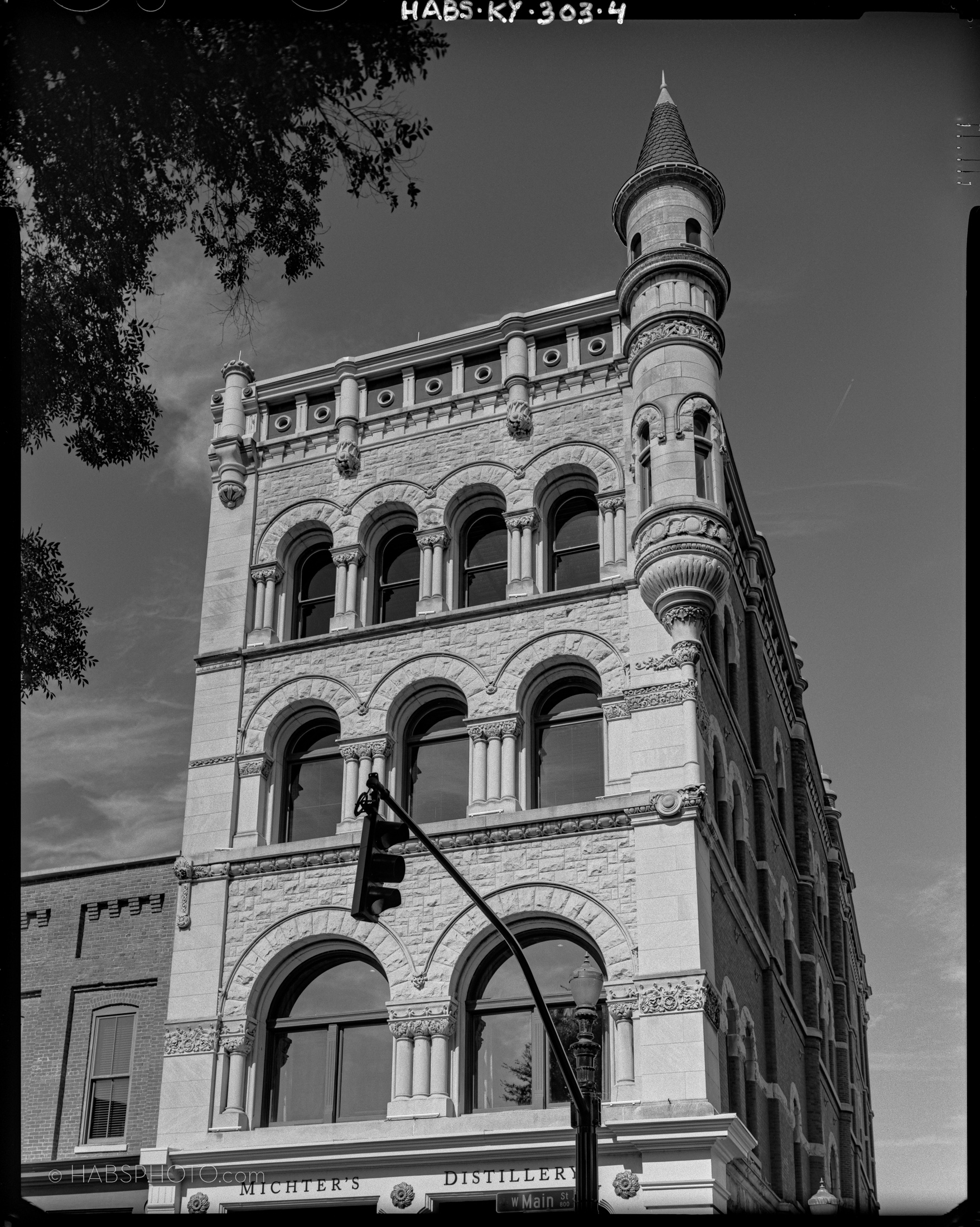 For this reason significant historic sites should still be recorded at the best practical resolution or at a minimum should exceed the NRHP Photo Policy requirements. If the site is highly significant it should be recorded to the HABS/HAER/HALS standard and donated to HABS collection at the Library of Congress.
The digital survey photography guidelines that Schaf Photo developed for SurveyLA, the Los Angeles Historic Resources Survey, were based on a good quality digital camera (in 2024 that would be 12 megapixels or more, and not a phone). Each SurveyLA property was documented with a single photo. Photos were taken by field surveyors with cameras and tablet PCs on the streets documenting L.A.'s historic resources and then electronically linked to a GIS Database.
SurveyLA photos still have the same basic documentary DNA as a 5x7 HABS negative showing the things that are hard to describe in words. Keep in mind, however, that as the systems for reconnaissance surveying become faster and more computerized, more and more importance will be put on the photographs to embody visual detail and contextual data, and it will be imperative that the quality of the picture accompanying the text be as good as the context statement and the field survey and not just relegated to inexperienced volunteers.
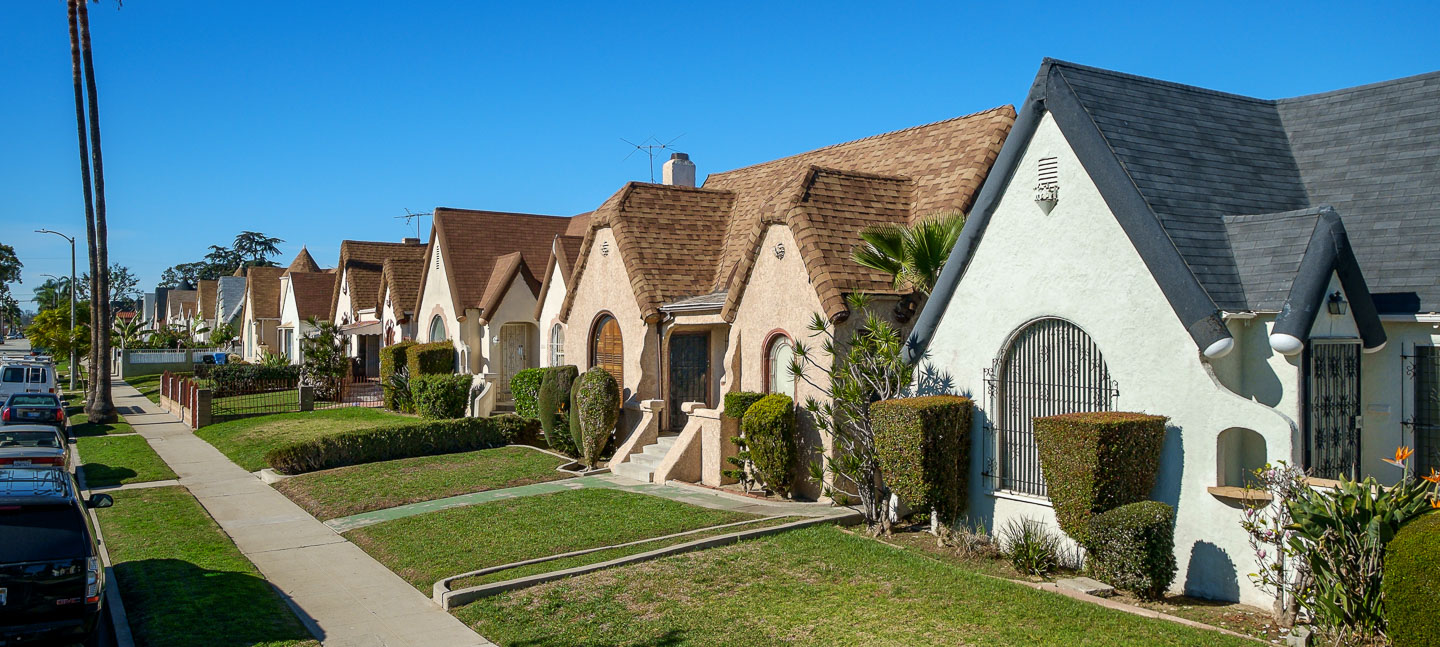
Elsewhere worldwide in 2003 English Heritage's digital standards were 16 MP (in 2003 this seemed like massive resolution) and the photography standards from Australia advocated a 10+ MP standard two decades ago. There are not a lot of location photography standards available in the world. Many documentation projects create their own standards based on the required data desired at the end of the documentation, often a publication or an exhibit. While NPS is testing a Phase One 150 Megapixel digital back for documentation in the field, as of 2024 no public born-digital HABS guideline exists for location photography in uncontrolled environments with varied conditions under mixed lighting indoors and out.
This overview would be incomplete without including a word about of cultural heritage digitization. There is an entire industry and specialized standards devoted to cultural heritage duplication – the digitization of analog materials: art, artifacts, negatives, specimens, printed matter, etc. Guidelines like the Federal Agencies Digital Guidelines Initiative (FADGI), Metamorfoze and ISO 19264-1 have been established out of the need to create objective standards for digitizing archives and museum collections where parameters can be controlled, monitored, and calibrated.
HABS | HAER | HALS Basics
© 2025 Stephen D. Schafer • www.habsphoto.com
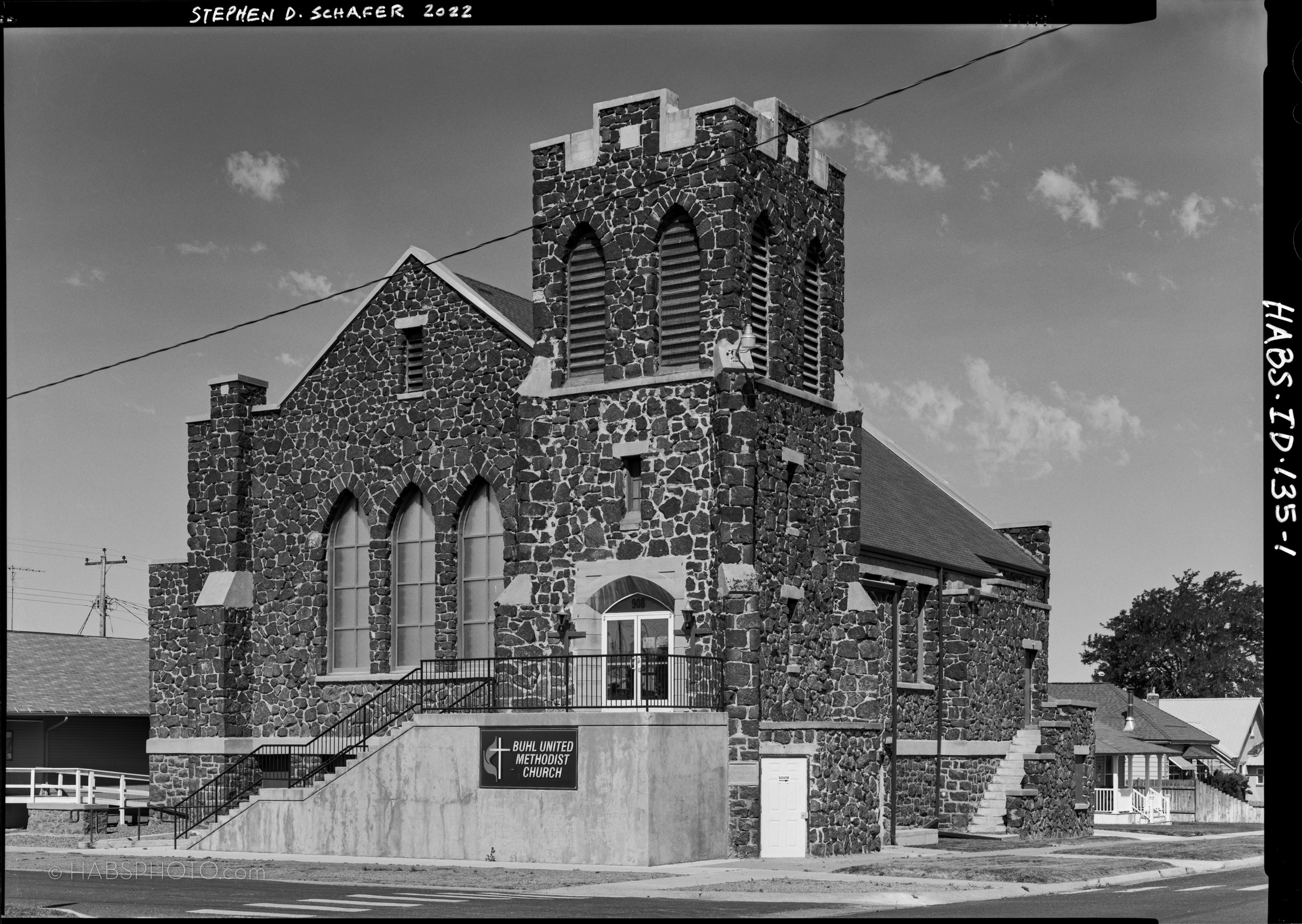
400,000 measured drawings and photographs
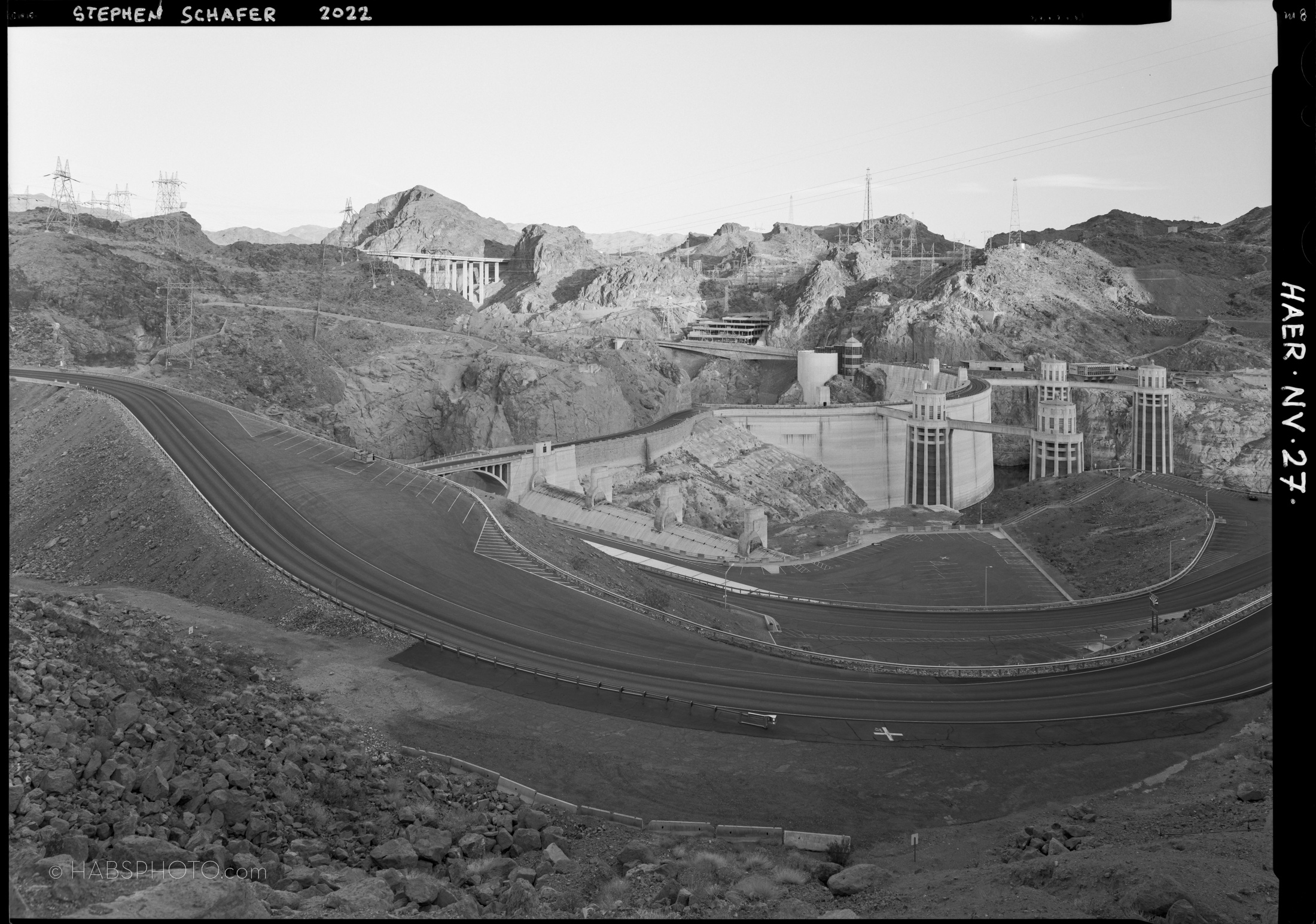 HABS | HAER | HALS (H3) documentation usually consists of measured drawings, large-format photographs and written data that highlights the significance of a resource. There are three levels of recordation that generally break down into:
(1) Level One - Measured line drawings (architectural plans), historic drawings, detailed large-format photographs, copies of historic photos, full written data package.
(2) Level Two - Numerous detailed large-format photographs, full written data package.
(3) Level Three - General large-format photographs, with a written data package.
As Richard O’ Connor, Chief of Heritage Documentation Programs, wrote in 2015, “Data on historic sites, regardless of the manner of acquisition, serves three primary functions: the preservation and stewardship of the sites themselves; the creation of a permanent record of significance; and their presentation and interpretation to the public.” This documentation acts as a form of insurance against fires and disasters by permitting the repair and, if necessary, reconstruction of historic resources damaged by such disasters. It is also used for scholarly research, interpretation, and education, and it often provides the basis for enforcing preservation easements. HABS | HAER | HALS documentation is often the last means of preservation of a property. When a property is to be demolished, documentation provides future researchers access to valuable information that otherwise would be lost.
Extra Credit PoD Books
It is very common for HABS/HAER/HALS standards to be appropriated as a basis for mitigating adverse impacts under local ordinances or through EIRs and MNDs resulting from California Environmental Quality Act (CEQA) compliance.
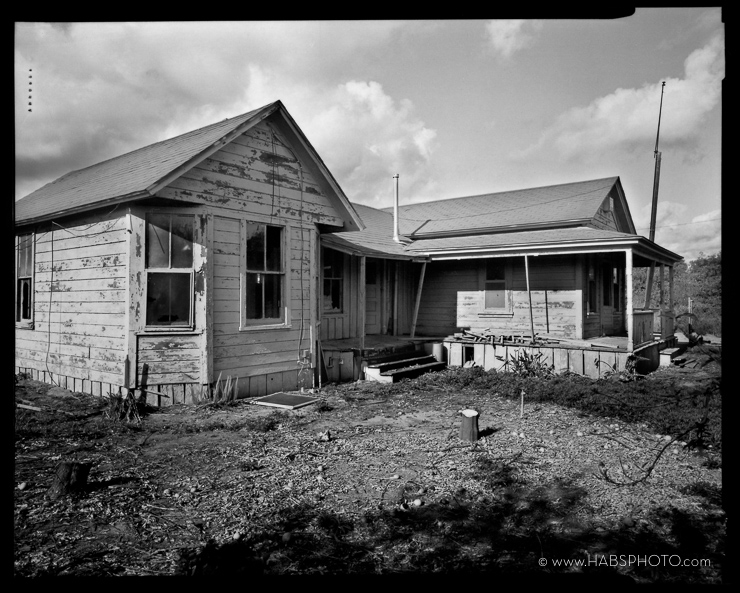 These Local-HABS, HABS-Like and HABS-Lite standards usually require large format photography or a digital high resolution equivalent to document important properties. Most of these local surveys do not get transmitted to the Library of Congress (They should be... see this link), rather local HABS-Like records are often submitted to local libraries, and historic societies. Since every city and county adopts its own standards for mitigation documentation, each mitigation documentation is different and should approached with the local goals in mind.
In order to make mitigations more meaningful, Schaf Photo has advocated making additional copies of records that are cheaper and easier for libraries and museums to deal with and disseminate. In addition to the film negatives and archival prints sets sent to the SHPO and LoC, we have been creating Print On Demand (POD) books that include the H3 reports, reduced size copies of the measured drawings and all the documentation photographs enlarged to full-page. A typical example is the case of the Lovelace Garden HALS book, which included color digital field photos in the POD books as well, along side the black and white photos. The beauty of the BOOKS is they can be printed on demand often for around $50 each and distributed to local libraries and archives that have a familiarity with storing and sharing books, but may not have the facilities or ability to store and share negatives, loose archival prints or full size drawings. This allows interested individuals local access and even the ability to stumble on a book that they did not previously know existed in the local history section of a library. The printer we use for these books is HP Magcloud and an additional benefit of MagCloud is that the books are available digitally online for free download as a tablet E-Book. If someone wants to have their own printed book they just need to order it from the Magcloud website and it will be printed and shipped to them On-Demand for $30 to $100 depending on the size of the book. Look at samples of complete HABS documentations here and download free digital versions:
LINK TO OUR SAMPLE MAGCLOUD BOOKS
More info about HABS HAER HALS photography is available by searching these terms:
- FAQ about HABS Documentation HABS FAQ
- Heritage Documentation Programs at NPS
- SECRETARY OF THE INTERIOR'S STANDARDS AND GUIDELINES FOR ARCHITECTURAL, ENGINEERING AND LANDSCAPE DOCUMENTATION
- PREPARING HABS/HAER/HALS DOCUMENTATION FOR TRANSMITTAL TO THE LIBRARY OF CONGRESS
- Federal Register / Vol. 68, No. 139 / July 21, 2003 / page 43159
Excerpted HABS/HAER/HALS Photography Guidelines
(Guidelines updated June 2015 (current to 2025)
FOUND AT: nps.gov HABS Guidelines
Excerpt From: Heritage Documentation Programs HABS/HAER/HALS Photography Guidelines From Heritage Documentation Programs
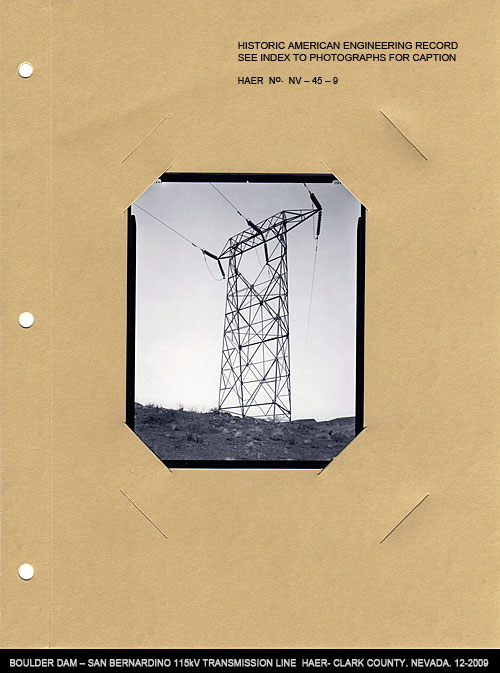
General Guidelines - Film:
Film continues to be the tried and true way to store visual information about architecture and engineering for the long term, which is why it is still the standard in the HABS, HAER, and HALS collections. Photographs taken and printed for HABS, HAER, or HALS, in accordance with the Secretary’s Standards are made from large-format, black and white film. The images are perspective corrected in the field at the time of capture using a view camera.
Large-format (4x5, 5x7, and 8x10) refers to the size of the negative in inches, not the print. The large-format negative is preferred for two reasons: longevity of the film and clarity of the image. The material stability of cut sheet film satisfies the archival requirements for longevity (500 years), while the clarity of the resulting image comes from a high level of resolution not possible in smaller film formats. Film can always be digitized but exclusively digital information may not always be recoverable due to the vulnerabilities of digital data including media degradation, hardware and software obsolescence, file format migration, proprietary formats, etc. In addition, maintenance of digital archives is much more expensive than maintenance of film archives.
PDF Found here: NPS.gov/hdp/guidelines
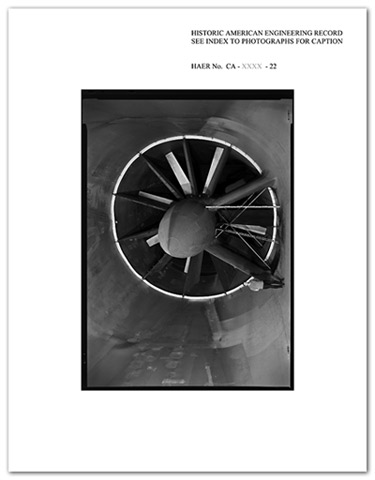
Creating Archival Digital Print Cards for HABS Documentation
Heritage Documentation Programs (HDP) has developed the following procedure to produce digital contact prints (instead of wet contact prints) that meet both HDP standards and the archival requirements mandated by the Library of Congress. The basic suggested procedure is the same for both black-and-white prints and color transparencies.
This process creates a print card that mimics the photo mount cards HDP has used for decades. HDP photographers developed this method as an efficient way to produce digital print cards. Results may vary based on hardware, software, and scanning environment.
Creating the digital file:
•Scan image emulsion side facing light source on a flatbed scanner with Anti-Newton glass.
•Crop scanning area to include film margins.
•Scan images at a resolution of 5000 pixels across, about 800 ppi for 5x7 negative, to yield a file roughly 18-20 MB for a black & white image and save as an uncompressed TIFF.
Creating the digital print (e.g. photo mount card with image):
•Create a new folder with copies of images for mounting.
•Downsize all images to 400 ppi, for printing ease. •Mount images upon a 400 ppi black canvas (i.e. 4.75" x 6.76" image area upon a 5" x 7" black canvas) for size uniformity, then flatten to reduce image size.
•Create a new canvas with the dimensions 8.5" x 11" at 400 ppi and copy the image onto that canvas. The image should be centered and the actual image size.
•Using horizontal text tool (Times New Roman, 12 pt., black font) on the overlay grid, create a text box in the upper right-hand corner. The following is an example of what the box must contain: HISTORIC AMERICAN LANDSCAPES SURVEY SEE INDEX TO PHOTOGRAPHS FOR CAPTION HALS No. CA-42-1. Do NOT flatten after this step in case you need to modify the text.
Printing:
•The print quality should be set to the highest, neutral monochrome settings (unless it is a color image).
•Batch all print cards in one folder and print from folder as “full sheet fax” to prevent image compression and to maintain actual size.
•Print entire folder or use rip software.
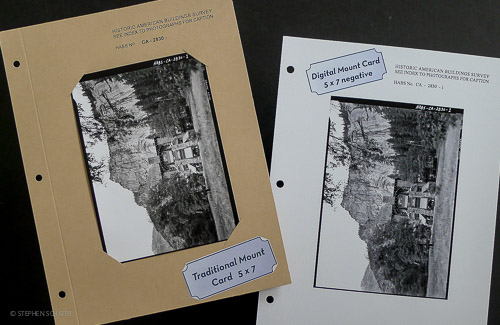
Note: digital print card scanning, formatting and printing is generally not faster than traditional wet darkroom printing, but it allows people without a darkroom to create contact-type prints. If you plan to submit to HDP digitally, these are only partial instructions. Call and speak to the HABS/HAER/HALS staff directly about the latest changes to the process and materials, they are very helpful and happy to give you detailed information over the phone. We use a digital pigment printer because it exceeds all the quality and longevity standards set up by HDP.
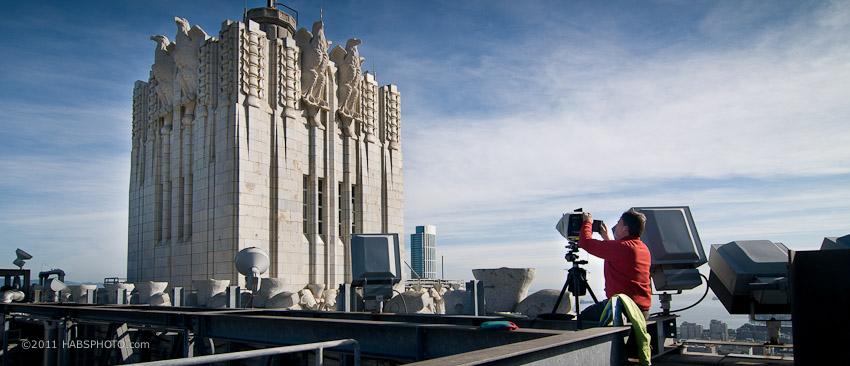
TRANSMITTAL GUIDELINES FOR PREPARING
HABS/HAER/HALS DOCUMENTATION (June 2015)
Documentation for the Historic American Buildings Survey, the Historic American Engineering Record, and the Historic American Landscapes Survey, (HABS, HAER, HALS) must be prepared using specific archival materials and archival processes in order to be comply with the permanence standards that govern the collection. By adhering to these standards, even the earliest HABS records from the 1930s are still available for researchers and will be into the future. Non-archival materials deteriorate for two principal reasons: they are attacked by harmful substances in the environment, and/or their physical and chemical composition is such that it will deteriorate regardless of how it is stored.
PDF Found here: NPS.gov/hdp/guidelines
Important information about mail irradiation at the Main Interior Building. Let's make sure that surveys continue to arrive in DC in archivable condition.
1. Only use UPS, FedEx, or DHL to send surveys to Washington, DC The HABS/HAER/HALS office moved to the Main Interior Building in Washington, DC. in April 2017.
All U. S. Postal Service (USPS) mail sent to Main Interior is subject to irradiation. That process is likely to damage survey materials. There is concern about the prospect of damaged negatives or hand-drawn sheets that can't be recreated, but irradiated paper and CD/DVDs would also be a problem.
2. New shipping address (starting April 10, 2017) Heritage Documentation Programs National Park Service 1849 C Street NW, Mail Stop 7408 Washington, DC 20240
Yet another shipping address and mail stop number change in 2025. Please check with NPS directly before sending anything to them.
•
Stephen Schafer specializes in HABS, HAER, HALS
documentary architectural photography. We understand
historic structures and complex mitigations, and have
the equipment and experience to suit any situation.
Based in Ventura, California. www.HABSPHOTO.com
• • •
© 2025 Stephen Schafer